
Reconnecting Thought & Action
At Epia Neuro we’re building neurotechnology that gives back the freedom to move and think
The Unmet Patient Need
The signal survives.
The pathway doesn’t.
Stroke is the leading cause of long-term disability worldwide, with around 800,000 cases in the US each year. Most survivors are left unable to grip, release, or perform basic tasks. Their brains still form the intention, but the signal never reaches the body.
Our mission is to address the gap between intent and action.

Introducing Our System
Sense & Stimulate
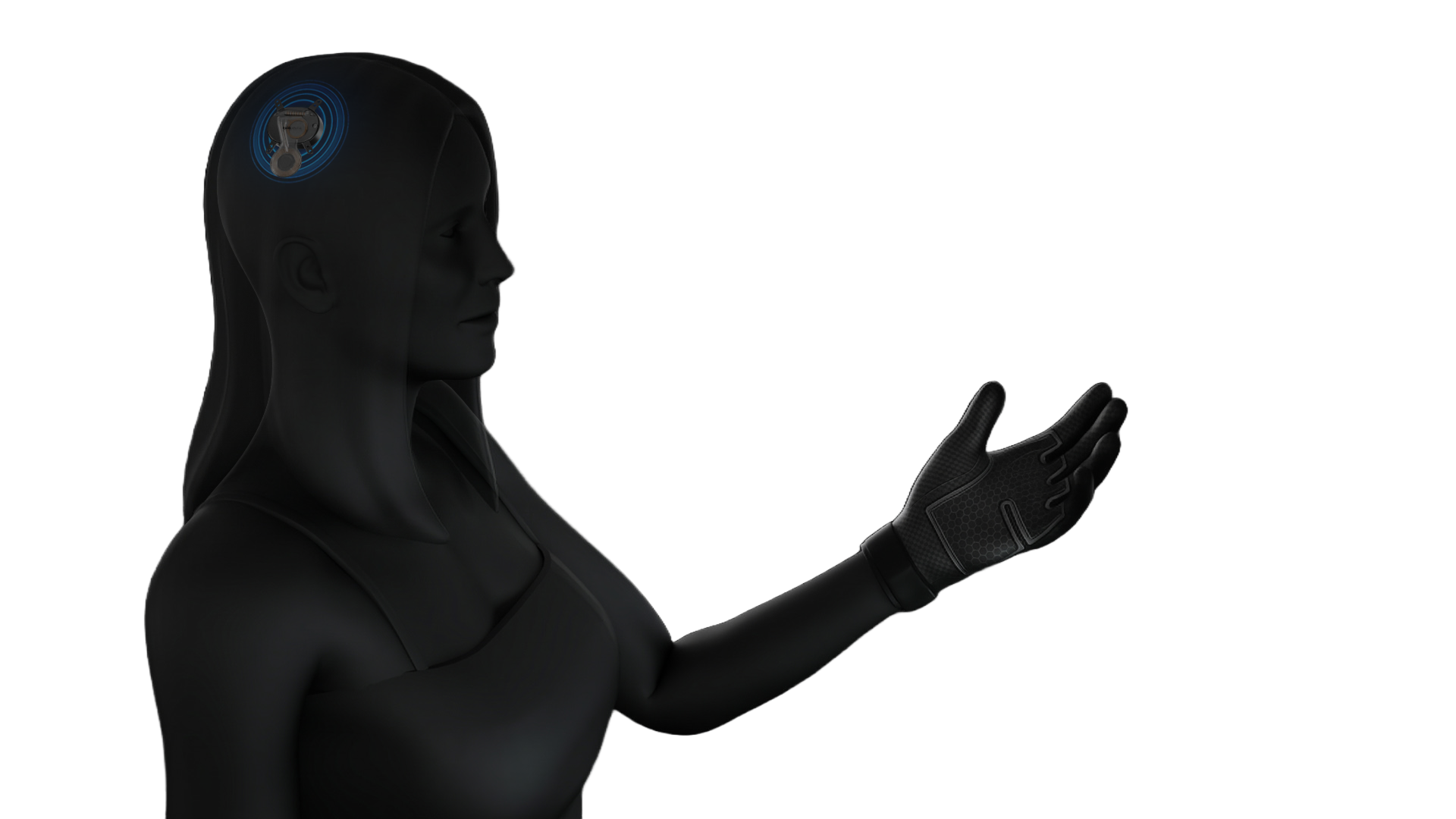
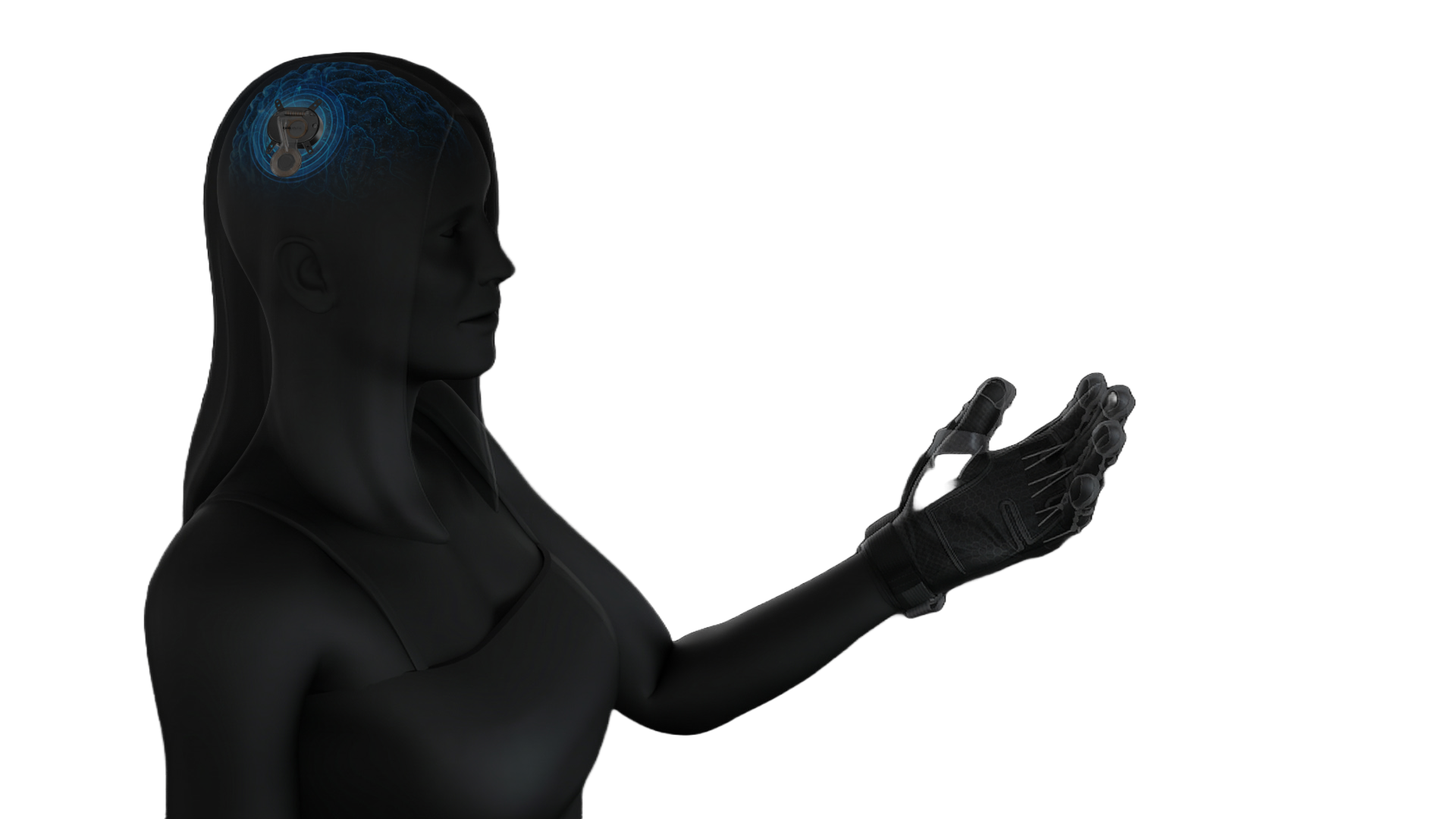
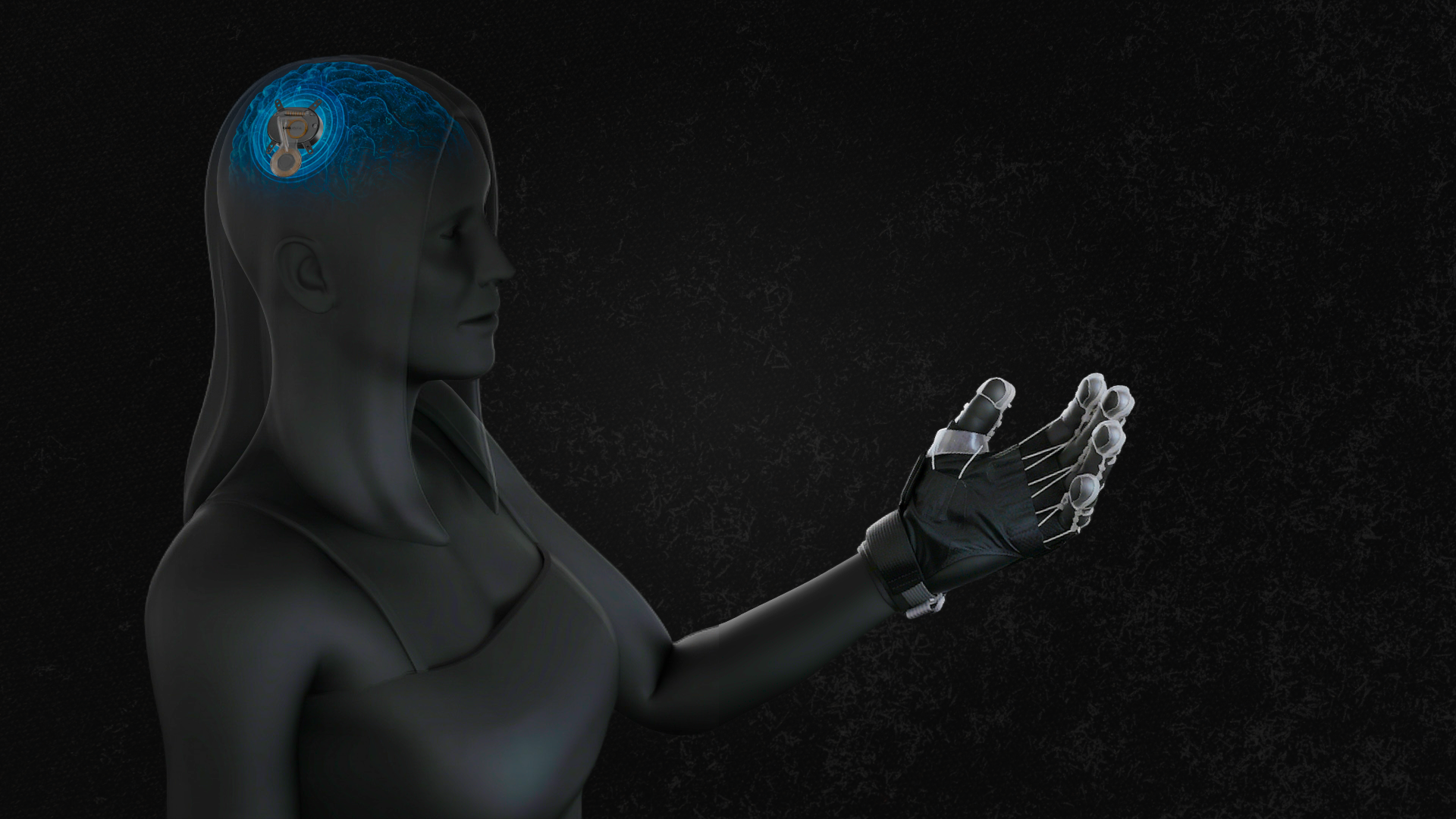
We’re building an integrated brain sensing and stimulation system that detects neural intent, decodes it in real time and, through our proprietary intelligence, seamlessly executes context-aware movement.
Brain Interface
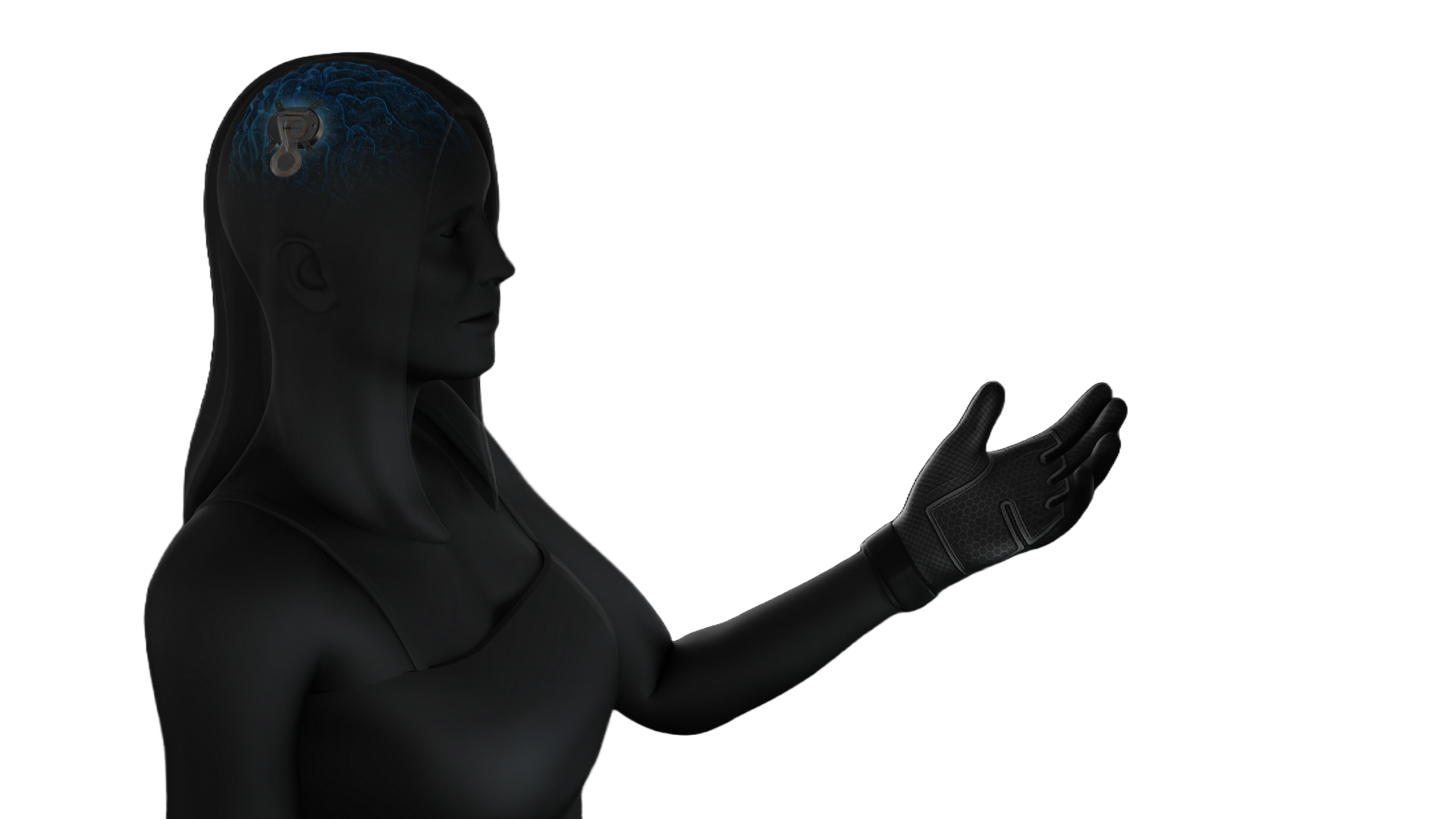
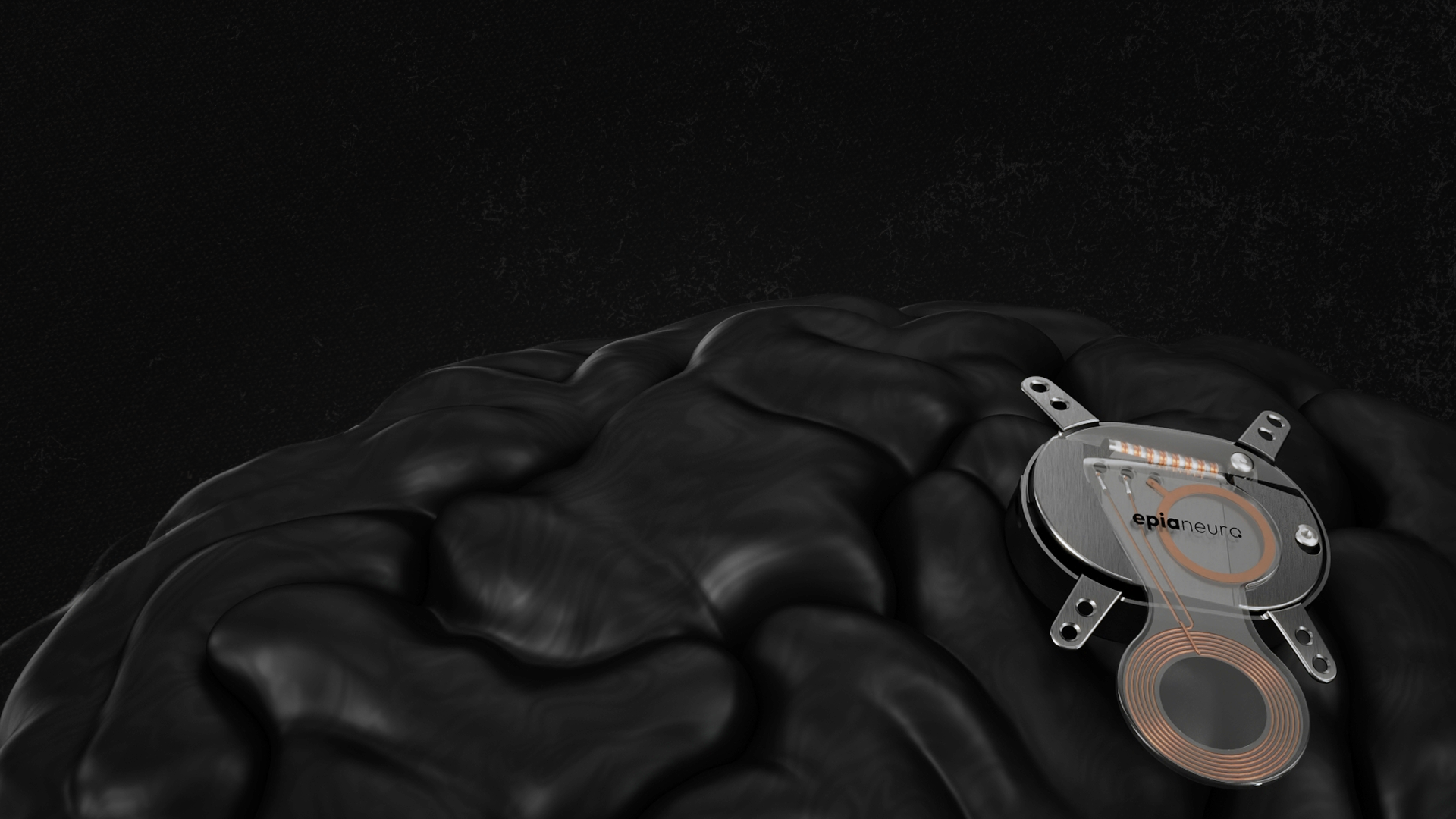
A powerful, proprietary interface that captures neural signals without piercing the dura. Designed to be implanted in less than an hour by any Neurosurgeon at any hospital.
Decoder System
Proprietary algorithms interpret neural signals and convert them into precise digital commands in real time. The system learns continuously: refining accuracy, adjusting stimulation parameters, and building a longitudinal map of each patient’s neural activity.
Wearable Grip Assist
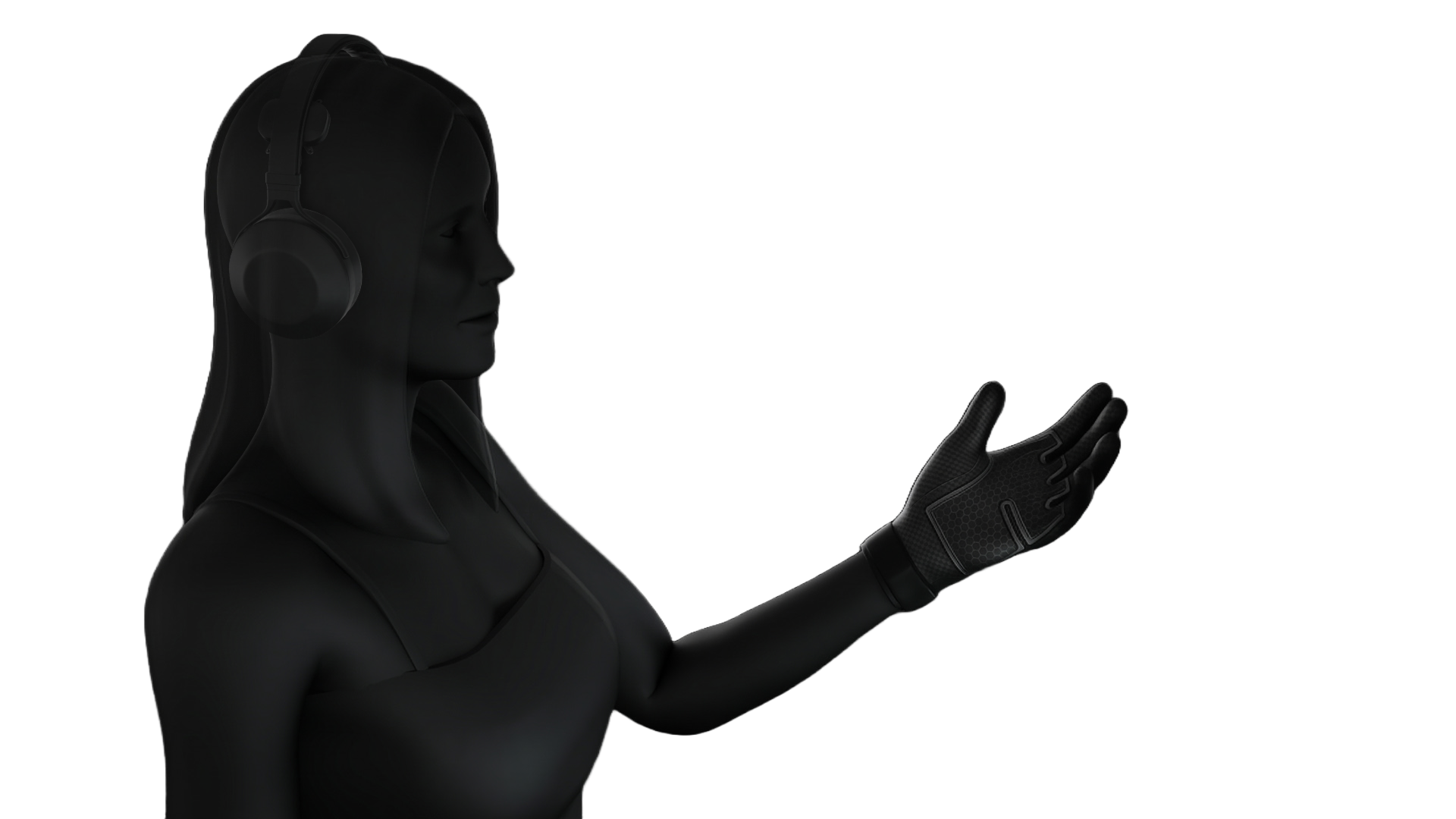
A lightweight grip-assist device shaped by extensive collaboration with stroke survivors, advocates, and clinicians. Built for daily life, not the lab. Restores the ability to grasp objects, release them, and perform essential tasks independently.
Next Generation Neurotech
Designed For The Real World
Closed-Loop Intelligence
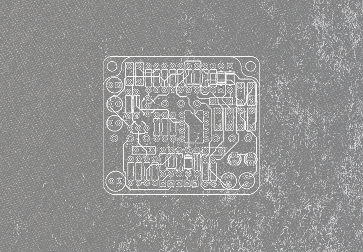
Therapy adapts in real time to each patient's neural signals, replacing static programming with continuous optimization.
Rechargeable
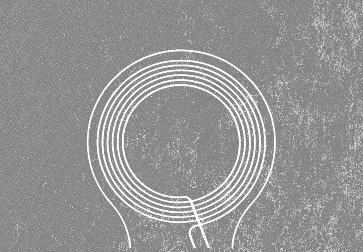
Built for decades, not limited studies. Recharged non-invasively via headset while patients go about their day.
Future-Proof
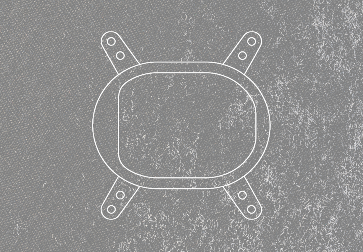
The implant locks into a permanent cradle, allowing the internal device to be upgraded without further invasive surgery.

Stroke therapy proves the platform. The platform treats across Neurology.
Cognitive Decline
Stroke data creates an early bridge into cognitive impairment, with exploratory cognitive endpoints built into initial clinical programs.
Parkinson’s Disease
Adaptive stimulation driven by real-time feedback, replacing fixed-parameter programming.
Epilepsy
Long-term neuromodulation without repeated battery replacement surgeries.
Clinical Scale Neurotech
Designed For Scale
Minimally Invasive
Unlike intracortical brain computer interfaces that penetrate brain tissue, our system uses an interface that reduces surgical risk.
Widely Accessible
Designed to be delivered in a sub-hour procedure to support wide-scale clinical adoption. A technology designed to be accessible to anyone, anywhere.
No Chest Generator
Traditional DBS systems require chest-implanted hardware and tunneled leads. Our system integrates intracranially, eliminating long lead paths and reducing hardware burden.
Our Team
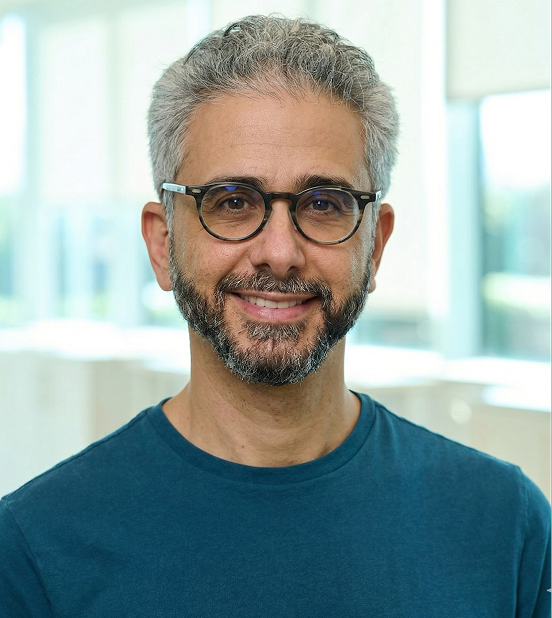
Michel Maharbiz, Ph.D.
Chief Executive Officer
Serial entrepreneur, Founder of iota Biosciences, and former professor of Electrical Engineering and Computer Science (EECS), Bioengineering and the Helen Wills Neuroscience Institute (HWNI) at the University of California, Berkeley
Gil Mandelbaum, Ph.D.
Chief Technology & Science Officer
Neuroscientist and technology leader with more than 15 years of experience developing hardware and software systems for neuroscience research and clinical applications
Michelle Patruno
Chief Operating Officer
Operations executive with more than 15 years of experience scaling high-growth organizations and building teams and systems to support sustainable growth from early stage through IPO
Dr. David J. Lin, MD
Director, NeuroRecovery Clinic, Massachusetts General Hospital, Boston
Dr. Lin is a critical care neurologist, neurorehabilitation specialist, and Director of the NeuroRecovery Clinic and Laboratory for Translational Recovery at Massachusetts General Hospital (MGH). He specializes in the care of patients with stroke, traumatic brain injury, and spinal cord injury across the acute to post-acute care continuum. His research program focuses on neurologic mechanisms of motor recovery after stroke.
Prof. Bernardo Sabatini, MD, PhD
Professor of Neurobiology & HHMI Investigator; Co-Director, Kempner Institute for the Study of Natural and Artificial Intelligence, Harvard University
Dr. Sabatini is a Howard Hughes Medical Institute Investigator at Harvard Medical School whose laboratory pioneered optical and chemical tools to study synaptic signaling and its role in neuropsychiatric disease. As Co-Director of the Kempner Institute, he leads research at the intersection of neuroscience and AI, using insights from neural circuits to advance machine learning architectures. He is a member of the National Academy of Sciences and the American Academy of Arts and Sciences.
Dr. Mark Richardson, MD, PhD
Director, Functional Neurosurgery, Massachusetts General Hospital, Boston
Dr. Richardson is a neurosurgeon and neuroscientist recognized internationally for his work in epilepsy surgery, deep brain stimulation, and experimental gene and cell therapy. He founded the Brain Modulation Lab, a human systems neuroscience lab centered on intracranial electrophysiology, is co-founder of the MGH-MIT InBRAIN Collaboration, and has served on the Executive Board of the American Society for Stereotactic and Functional Neurosurgery.
Dr. Netanel Ben-Shalom, MD, FNPS
Director, Neuroplastic & Reconstructive Surgery Program, Lenox Hill Hospital, NYC
Dr. Ben-Shalom is internationally recognized as the world's first neurosurgeon to complete the Johns Hopkins Neuroplastic and Reconstructive Surgery fellowship. His dual expertise in neurosurgical oncology and neuroplastic surgery enables a patient-centered approach utilizing 3D printing and third-generation cranial implants. He is co-founder of New York's first Neuroplastic and Reconstructive Surgery Program.
Prof. Jan M. Rabaey
Donald O. Pederson Distinguished Professor Emeritus, EECS, University of California, Berkeley
Prof. Rabaey is a Professor at UC Berkeley and co-founder of the Berkeley Wireless Research Center. He also serves as CTO of IMEC’s System-Technology Co-Optimization division. His contributions span low-power integrated circuits, advanced wireless systems, sensor networks, and brain-computer interfaces, including the Human Intranet. He is an IEEE Life Fellow and a member of the Royal Flemish Academy of Arts and Sciences.
Marc W Slutzky, MD, PhD
Professor of Neurology, Neuroscience, PM&R, and Biomedical Engineering Northwestern University Feinberg School of Medicine
Dr. Slutzky is a Northwestern-trained neurologist and neural engineer, serving as Professor of Neurology and Neuroscience at Northwestern University, where he also practices as a treating neurologist. Specializing in brain-machine interfaces to restore movement and communication in patients with paralysis, stroke, and ALS, he is widely recognized as an international leader in translational neural engineering and serves as President of the Brain Computer Interface Society.
Dr. Joshua Aronson, MD
Director of Epilepsy Surgery, Beth Israel Deaconess Medical Center, Boston
Dr. Aronson is a Harvard-trained internationally recognized neurosurgeon specializing in deep brain stimulation, minimally invasive epilepsy surgery, and facial pain treatment. He has built multiple pioneering surgical programs across leading institutions including Massachusetts General Hospital and Dartmouth-Hitchcock Medical Center, and is widely respected leader in academic neurosurgery.
Rebuilding the connection between brain and body.
If you want your work to restore independence for millions of people, we want to hear from you.

.png)

Epia Neuro is committed to advancing transparent dialogue around the future of brain computer interfaces and neuromodulation.
For Press Enquiries